
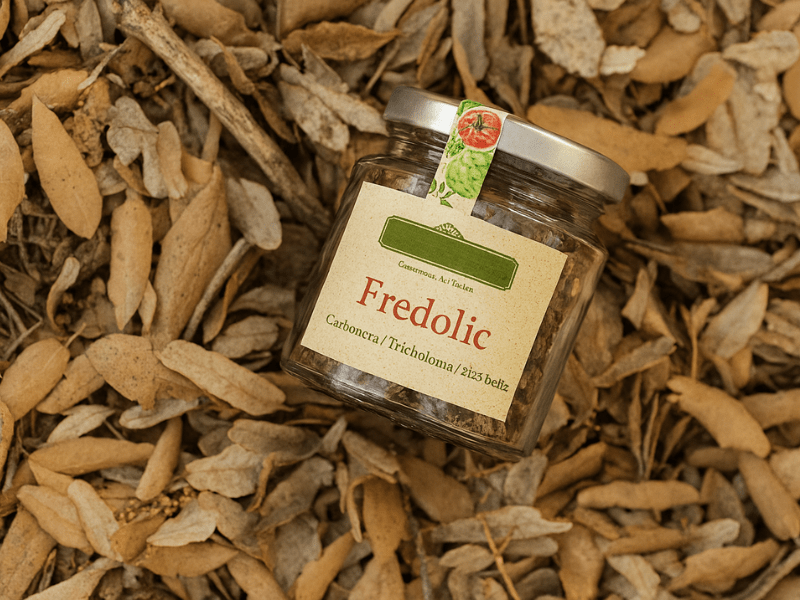
More and more brands are looking for labels with texture, personality, and visual coherence. And this raises a common question for any printer: when does it make sense to recommend a material like grass paper, and when does it not add real value to the project?
The material is not just a technical substrate. In many products, the label is part of the visual language and helps convey sensations, values, and a recognizable identity.
What Grass Paper Is and What Makes It Different
Grass paper incorporates alternative fibers that give it a visual and tactile finish clearly distinct from traditional coated or white papers.
What it offers compared to traditional paper
Its value doesn’t lie in competing with high‑performance technical materials, but in offering:
- An organic, natural aesthetic
- A distinctive tactile feel rarely found in pressure‑sensitive labels
- A substrate that reinforces the product’s visual narrative
It’s a material designed for projects where perception matters as much as information.
A substrate compatible with inkjet printing
From a production standpoint, adhesive grass paper for inkjet printing is designed to integrate into standard workflows without complex adjustments.
This allows printers to:
- Work with a specialty material without complicating processes
- Expand their catalog with a differentiating option
- Propose alternatives with personality, not just execute orders
A Practical Example
For instance, in a natural cosmetics project with short runs, grass paper helps reinforce the organic aesthetic without altering the printing workflow and adds a visual value the client immediately perceives.
Applications Where It Fits Especially Well
Grass paper stands out in projects where aesthetics and visual coherence are key:
- Artisan or local products
- Natural cosmetics and personal care
- Gourmet food and limited editions
- Brands seeking a natural and recognizable image
In these cases, the material doesn’t compete on extreme performance: it provides identity and differentiation at the point of sale.
What It Really Offers: An Adhesive Material with an Aesthetic Purpose
Although it incorporates alternative fibers and offers a natural look, it is still an adhesive material.
Real aesthetic value
Its value doesn’t lie in promising absolute sustainability, but in:
- Aesthetic coherence
- A sense of naturalness
- Reinforcing the brand’s visual narrative
Technical limitations
It’s not designed for high humidity, heavy abrasion, or industrial use, but it performs perfectly in standard retail applications.
When It Makes Sense (and When It Doesn’t)
When it does add value
✔ The label is part of the product’s storytelling
✔ The design needs texture or naturalness
✔ The client seeks visual differentiation
✔ The substrate must contribute its own character
When it’s not the best option
✘ Extreme resistance or industrial use is required
✘ The project needs absolute environmental claims
✘ The design doesn’t benefit from a natural finish
✘ The material doesn’t add real value to the final result
Criteria Before Materials
Choosing grass paper isn’t about following trends, but about knowing when it offers something a white paper cannot. Used well, it’s a substrate that adds personality, tactility, and visual coherence.
And in many projects, that makes all the difference.