

Matte or glossy cardboard for inkjet printing: Which one should you choose?
In inkjet printing, choosing a substrate isn’t just a matter of whether it’s compatible with the printing technology. The end application and the result we
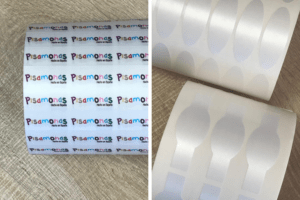
Tearable satin: the cost-effective alternative for clean and precise die-cutting
In many printing and converting processes, acetate has traditionally been the preferred material for achieving clean, consistent and precise die-cutting. However, its cost and handling
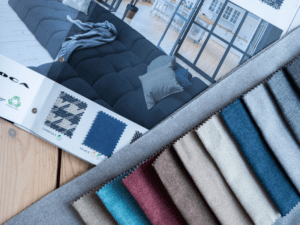
Inkjet applications beyond apparel: Opportunities in home textile and bedding
When we talk about textile printing, we usually think of applications related to apparel and fashion. However, there are other segments that continue to generate
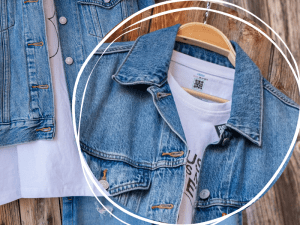
What is the digital product passport and why it matters for textiles
The digital product passport (DPP) will reshape the textile industry by requiring every garment to provide digital access to key information throughout its entire lifecycle. This shift turns the label into a critical access point for traceability, demanding durable materials, reliable printing processes, and solutions capable of withstanding real-world use. The challenge is technical, but the response must be collaborative across brands, suppliers, and printers.

Inkjet matures: the value is how we integrate technology, materials and end application
Inkjet technology has reached a level of maturity that allows the value to shift toward how materials, inks, and the final application are integrated. Today, the strongest projects are those designed as complete systems and validated under real conditions, with technical collaboration from the earliest stages.
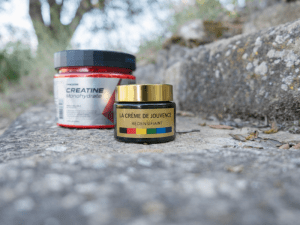
PET golden and PET holographic silver in inkjet: when the material transforms the design
In inkjet printing, the material is not just a substrate — it becomes part of the design. PET golden and PET holographic silver add light, depth and their own personality, expanding creative possibilities and offering an added value that neutral materials cannot provide.
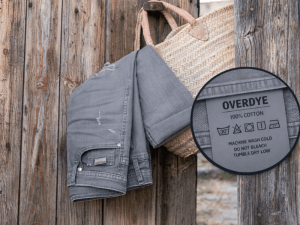
Overdye and recycled overdye: same technical solution, different material origin
Overdye materials are designed to be integrated into garments or textile items that will be dyed later, ensuring stability and good printability. Both overdye and recycled overdye offer the same technical performance; the only difference lies in the origin of the material. The recycled version incorporates recycled content to reduce the use of virgin raw materials without altering the behaviour of the substrate. The choice depends mainly on brand criteria, sustainability goals, and the positioning of the final product.
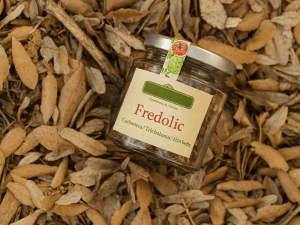
When is it worth choosing grass paper labels?
Adhesive grass paper brings texture, naturalness, and personality to labels, but it’s not always the best choice. Learn when it makes sense to recommend it and when it doesn’t add real value to the project..
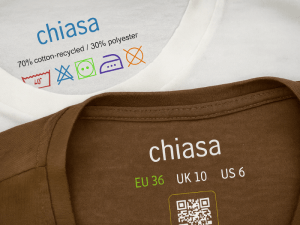
Film transfer in fashion and home textiles: applications and technical criteria
In fashion and home textiles, film transfer isn’t a trend or a universal solution — it’s a technical response to very specific applications. Understanding the product’s real use, comfort requirements, durability, and printing process is essential to integrate information into the fabric without interfering with the design or the material’s behavior.
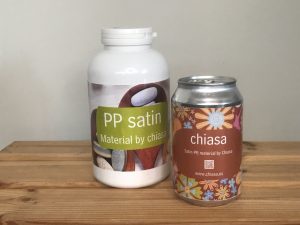
Satin PP: the finish that enhances the design without overpowering
Satin PP is not a compromise between gloss and matte, but a finish with its own identity. It offers balanced color reproduction, less glare, and a more natural appearance, making it an ideal choice for inkjet labels where design and product perception are key.

Naming: when the label becomes identity
In the world of work and professional life, a label can be much more than a piece of material with a name printed on it.
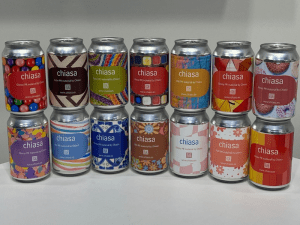
Glossy, matte, and satin PP: labels that combine image, durability, and quality
When the label also catches the eye: glossy, matte, and satin PP for the food & beverage sector In the food and beverage industry, the

Why visiting a trade show like Labelexpo can transform the way you work
Attending Labelexpo Europe 2025 is more than just visiting a trade fair — it’s a chance to discover innovative solutions, connect with industry experts and gain insights that can directly impact your business strategy and day-to-day operations.

What Does It Mean to Obtain ISO 9001 Certification?
At Chiasa, quality is not just a promise — it’s a daily commitment. That’s why achieving ISO 9001:2015 certification is a tangible demonstration that we
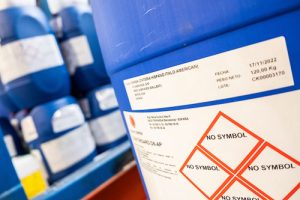
Matte white PP inkjet resistant to alcohol, chemicals, shipping, and compliant with BS5609
In industries such as chemical, industrial and cosmetics, the choice of label liner is not a matter of aesthetics: it is a key decision to

How does FSC certification impact the labeling industry?
The market is saturated with certifications and environmental seals created by companies without strict regulation, which can generate confusion among consumers. There are official and
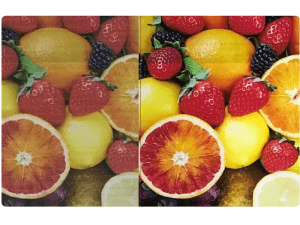
Water-based inkjet printing on corrugated cardboard
In a world where packaging plays a crucial role in brand image, corrugated printing has evolved with solutions that improve both aesthetics and sustainability. Today

Inkjet printing for gold and silver PET
We know that choosing the right material can make a big difference in the presentation of your products… Today we want to talk about a

Synthetic papers for food labeling and beverage products
Labeling and packaging for edible goods must comply with several key aspects such as: Food safety, complying with EU 10/2011 and FDA 21 CFR 177.1520.